
At a glance
- Most Artex can be covered rather than removed — it is quicker, cleaner and cheaper.
- Shallow patterns take a bonding coat and a skim; deep swirls are scraped back or overboarded first.
- Coatings put up before 2000 can contain asbestos, so they should be checked before any dry removal and never sanded.
Swirls, stipples and combed patterns are still on plenty of lounge and hallway ceilings in Kinson, Northbourne and Wallisdown. Artex hides cracks well, but it collects dust, dates a room instantly and makes lighting look flat. The usual question is whether it has to come off before the ceiling can be made smooth. In most rooms, it does not.
Cover it or remove it?
Covering is usually quicker, cleaner and cheaper than removal, and it avoids disturbing an older coating. Removal makes sense in fewer cases, for example where the texture is loose or the ceiling needs replacing anyway.
The pattern decides the method
Before quoting, a plasterer will usually look at how deep the texture is, how well it is bonded and roughly when it went up. That decides which of three routes to take:
- Light stipple or shallow swirl: peaks knocked back, sealed, a bonding coat, then skimmed directly.
- Deep, raised pattern: scraped back first, so the new finish sits flat instead of following the shape underneath.
- Heavy texture or a tired ceiling: overboarded with new plasterboard, then skimmed.
Will the pattern show through?
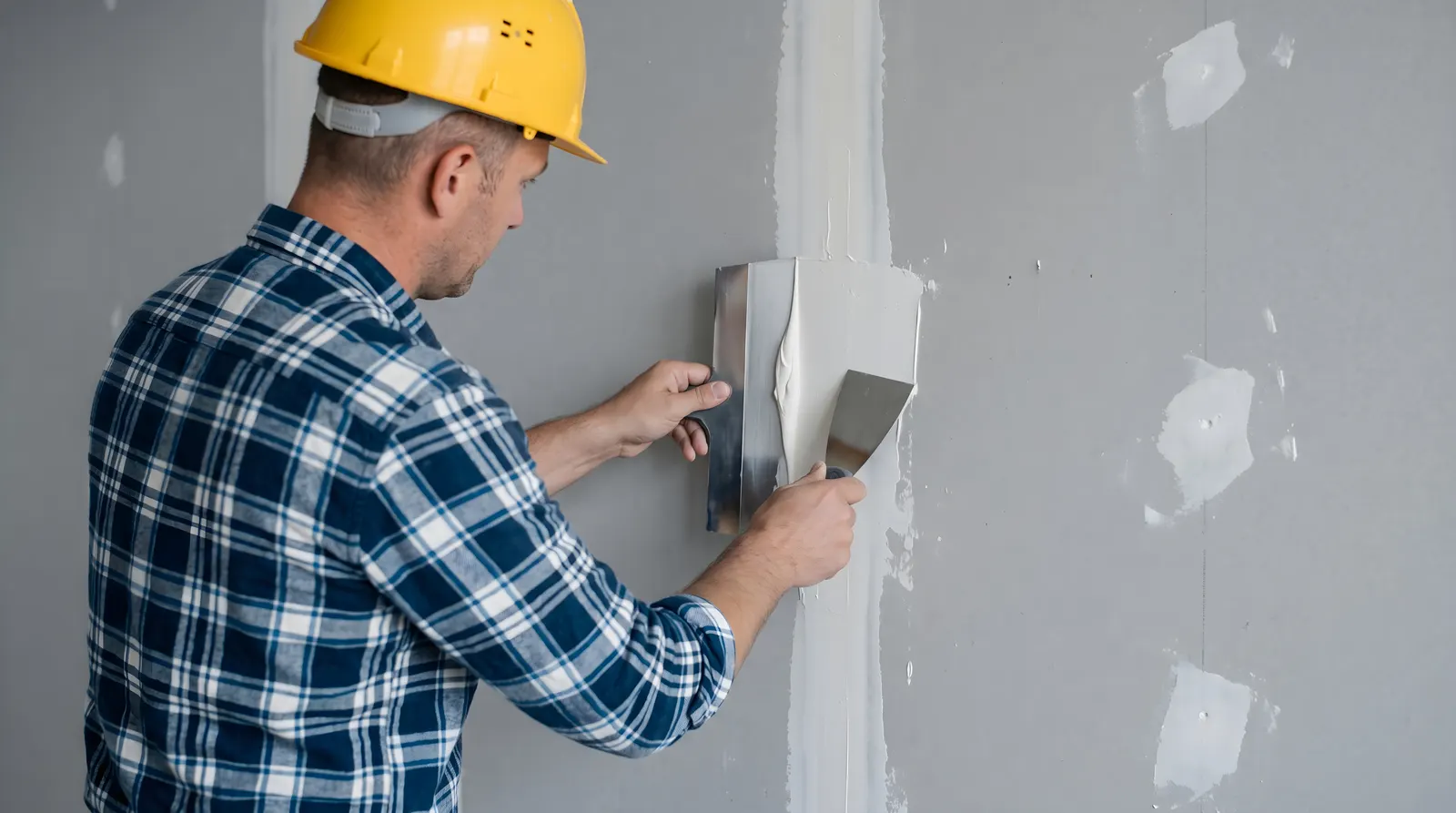
Not if the preparation is right. A skim is a thin coat, and it cannot fill deep dips on its own. That is why heavy patterns are knocked back or boarded over first, rather than relying on the plaster to hide them. Two coats of finish plaster then bring the ceiling flat.
A word on asbestos
Before 2000: textured coatings applied before 2000 can contain asbestos, so they are always checked before any dry removal. Covering over leaves the old coating sealed in place, which is often the simplest and safest route.
A textured coating should never be dry-sanded. Peaks are knocked back with a scraper, and the rest is sealed and covered.
Walls as well as ceilings
Textured walls are covered the same way. Doing the ceiling and walls of a room together helps the angles between them come out crisp.
What it costs
It depends on the size of the ceiling, how deep the pattern is and whether it can be skimmed straight over or needs boarding first.
Send a photo with your enquiry
A close-up of the pattern and the size of the room helps describe the job. See the Artex removal and covering page for more on the methods, or get in touch to request a quote.