
At a glance
- Fresh plaster usually takes three to seven days to dry through.
- It is ready for a mist coat once it is evenly pale, with no darker patches.
- Mist coat first: emulsion watered down roughly 70:30, then two full coats.
It is one of the most common questions at the end of a plastering job. The short answer: fresh plaster usually takes three to seven days to dry through. The longer answer depends on what went on the wall and the time of year.
What affects drying time
- A skim over plasterboard is thin and sits at the quick end of that range.
- Float and set on solid walls is thicker and takes longer.
- Cold, damp weather slows everything down, so a winter job needs more patience than a summer one.
- New extensions with plenty of wet trades may need a little longer again before the first coat of paint.
Ask the plasterer for the expected drying time and when the first mist coat can go on, so you are not left guessing.
How to tell it is ready
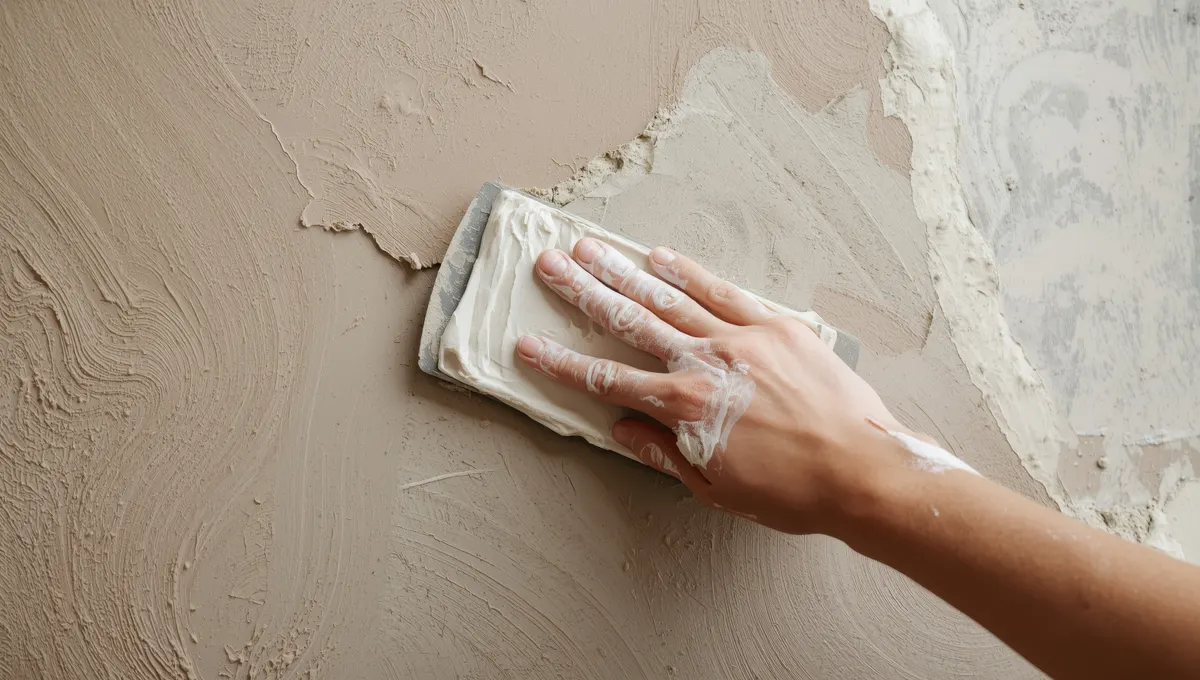
Fresh plaster goes on dark and dries lighter. It is ready for a mist coat once it is evenly pale, with no darker patches left. If one corner or a strip along the ceiling is still dark, give it another day or two. Painting too early traps moisture behind the paint, and that is when you see peeling and blistering.
Start with a mist coat
New plaster is very absorbent. Put full-strength paint straight on and the plaster pulls the moisture out of it before it can bond, so it can flake off later.
A mist coat solves that. The thin first coat soaks in and gives the finish coats something to grip.
The mix: once the plaster is evenly pale and dry, start with a mist coat of emulsion watered down roughly 70:30, then two full coats.
The same applies to new plaster coving. It takes a mist coat first, just like fresh plaster.
Planning a room?
If you have a room to decorate, skim first and leave about a week in your plans before the painter arrives. The wall and ceiling plastering page explains how a room is prepared and skimmed, and you can get in touch to request a quote.